

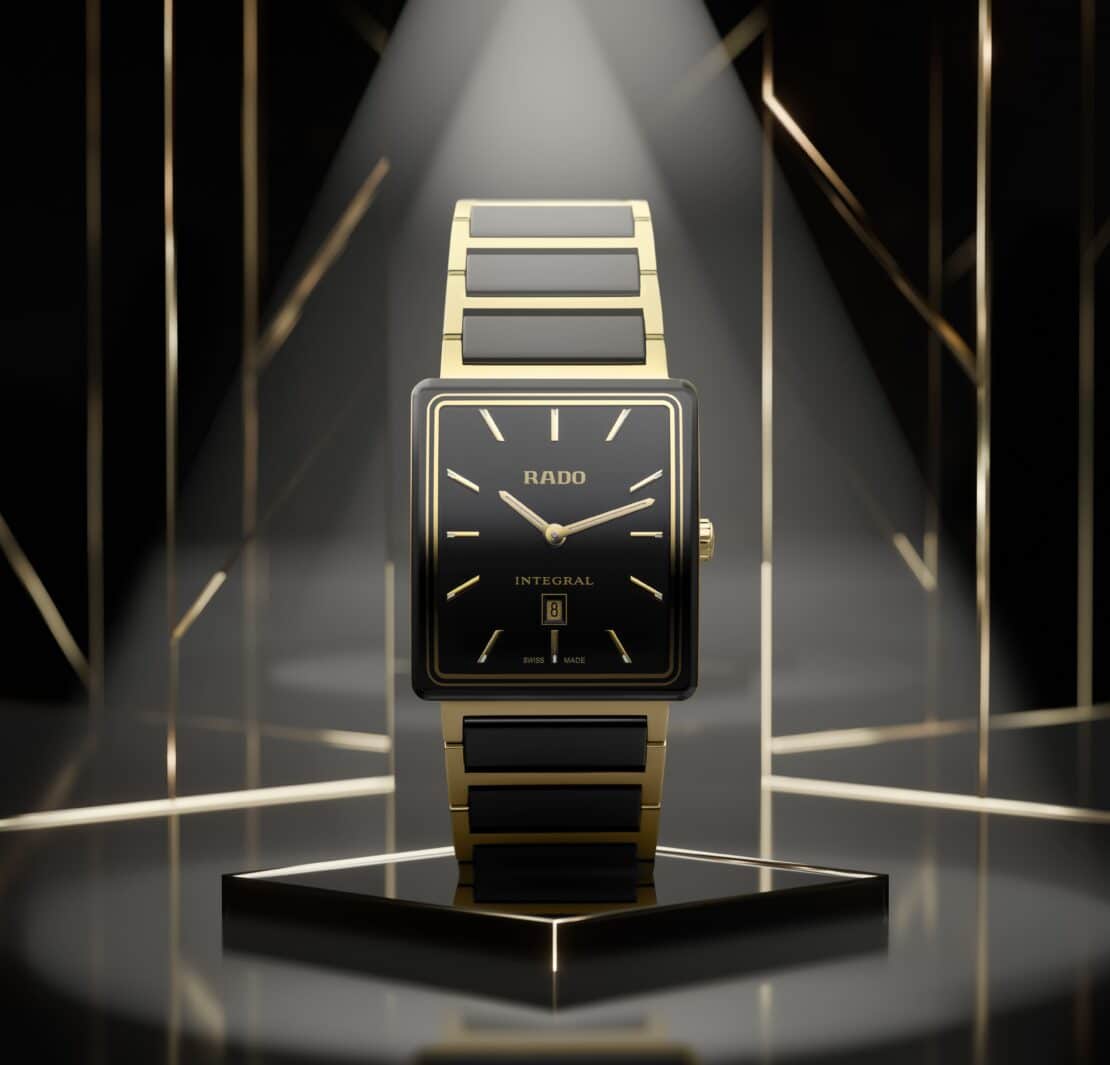
There is a particular kind of confidence that comes with not needing to explain yourself. The Rado Integral has had that quality since the year 1986, when it arrived on the scene as something the watch industry had never seen before. A timepiece built entirely from high-tech ceramic, with a clean silhouette and a bracelet seamlessly integrated into the case. It wasn’t just a watch; it was an idea.
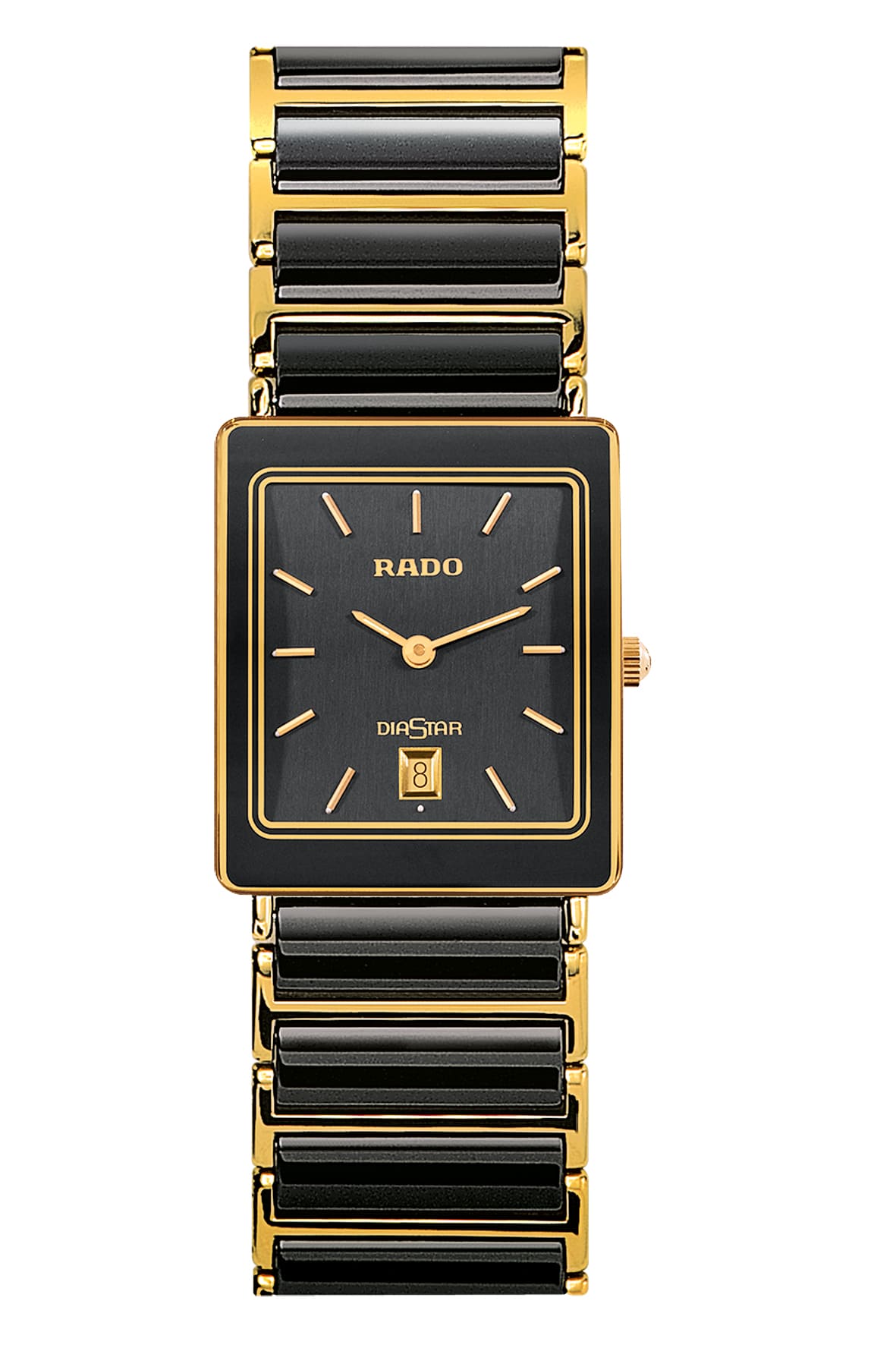
Rado Integral: Forty years later, that idea still holds.
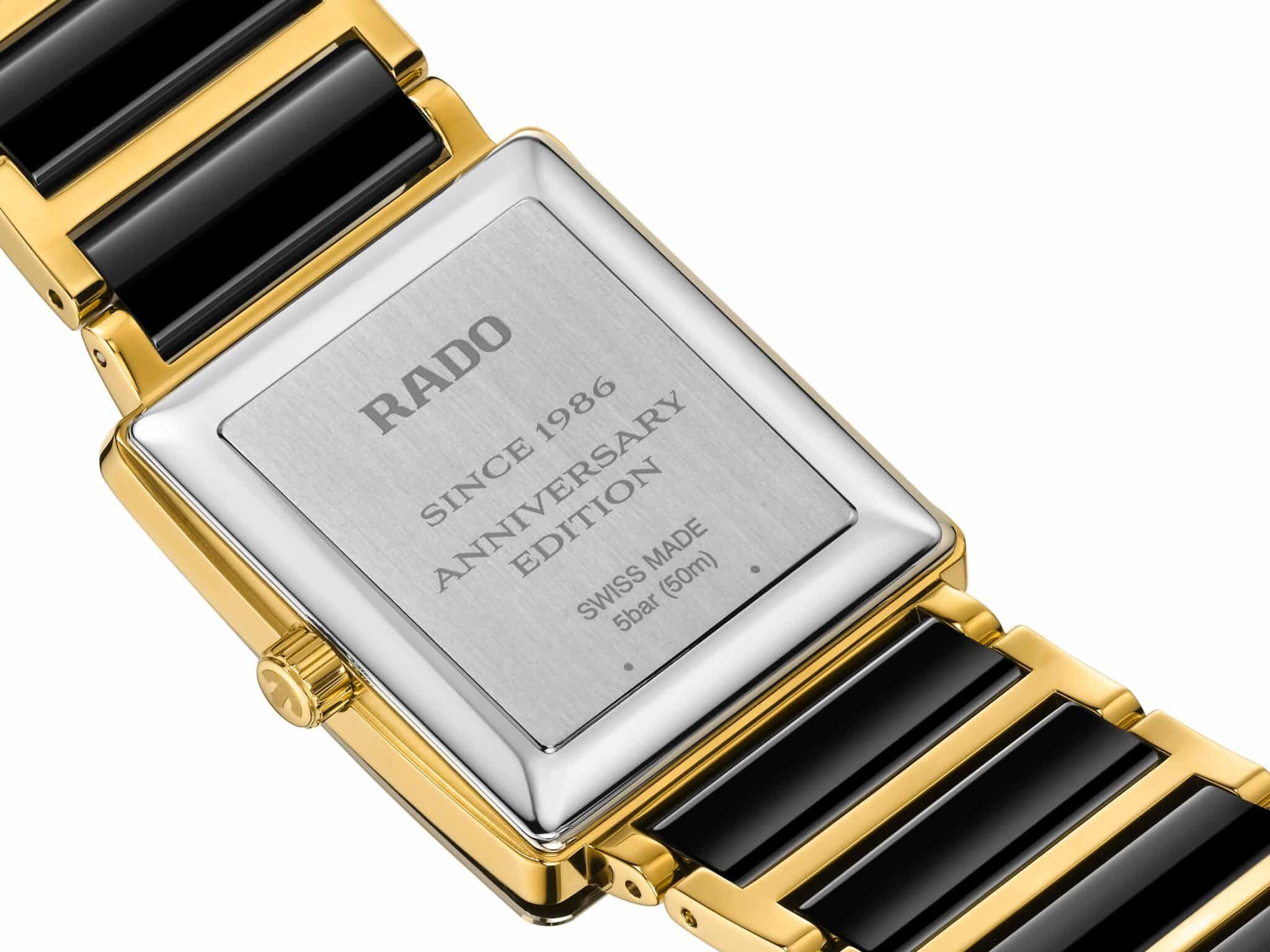
The Rado Integral anniversary edition launched in 2026 does not try to reinvent the original. It would be a mistake to do so. What it does instead is honour the 1986 model with the kind of care you give to something you know is already right: slightly larger dimensions, updated movement, the same black vertically brushed dial, the same gold-toned indices, the same curved sapphire crystal bonded directly to the case using a patented Rado process that keeps the profile fluid and uninterrupted. The case back is engraved with “Since 1986, Anniversary Edition,” which is the only concession to sentimentality. The rest is pure architecture.
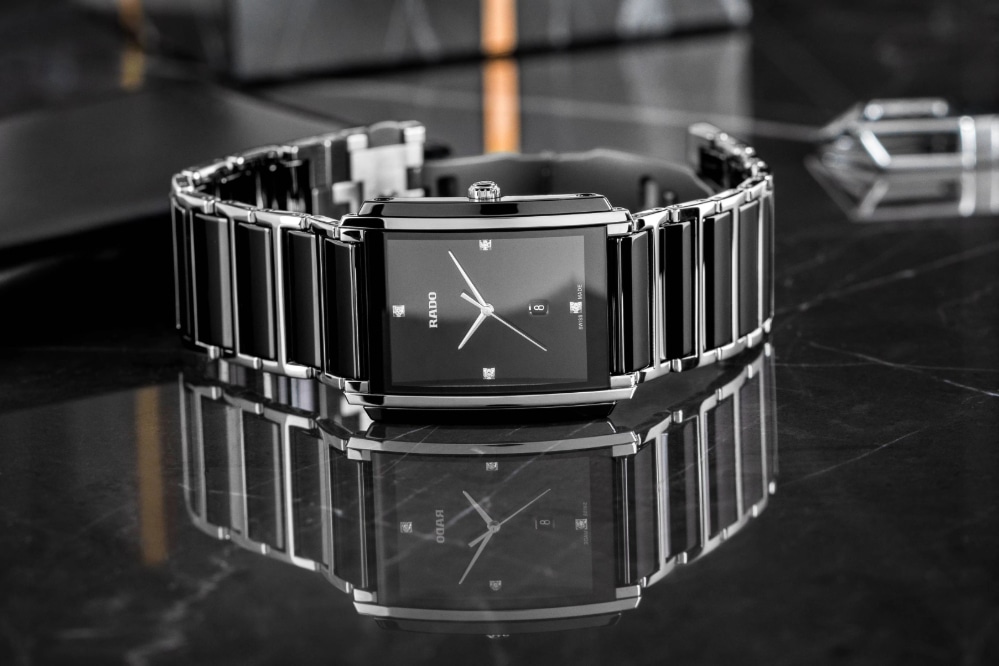
What makes the Rado Integral interesting is not just how it looks, but what it is made of. High-tech ceramic is not kitchen tile. It starts as ultrapure zirconium oxide powder, gets mixed with a polymer binder, and is injection-moulded under pressures of around 1,000 bar. Then it is sintered at 1,450 degrees Celsius, at which point the components shrink by around 25 percent and reach a hardness of 1,250 Vickers. Thereafter, only diamond tools can touch it. The entire process takes five to six weeks per component. The result? A material that does not scratch, does not corrode, does not age in any meaningful sense, and sits against skin with a smoothness that is almost impossible to describe without sounding like you are overselling it. You are not.
The Rado Integral was the first watch collection in the world built from this material, which means Rado has now had four decades to understand it at a level nobody else can match. They call themselves the Master of Materials, and it is not a baseless claim. Over the years, they have figured out colour in high-tech ceramic, which sounds simple and is anything but: achieving a consistent shade across case, bracelet links, crown and bezel, all produced at different times under different conditions, is a problem that lives in the world of micrometres and nanometres. They have figured out plasma high-tech ceramic, where pure white ceramic is carbonised through a plasma discharge reaching temperatures close to 20,000 degrees Celsius, giving it the appearance of brushed metal without a single gram of metal involved. They have developed Ceramos, a composite material that is roughly 90 percent ceramic and 10 percent metal alloy, lighter than tungsten carbide but equally scratch-resistant. The palette now runs to more than 20 shades.
None of that directly changes the Integral. The Integral does not need it. The 40-Year Anniversary edition sits in black and yellow gold PVD, the same combination that made the original feel both serious and slightly glamorous, the kind of watch that works in a boardroom and looks entirely at home at dinner. The bracelet links alternate between polished gold-toned steel and polished black high-tech ceramic. The crown carries an embossed anchor logo. The proportions are 28 by 39.8 millimetres, which is a size that wears with intention rather than aggression.
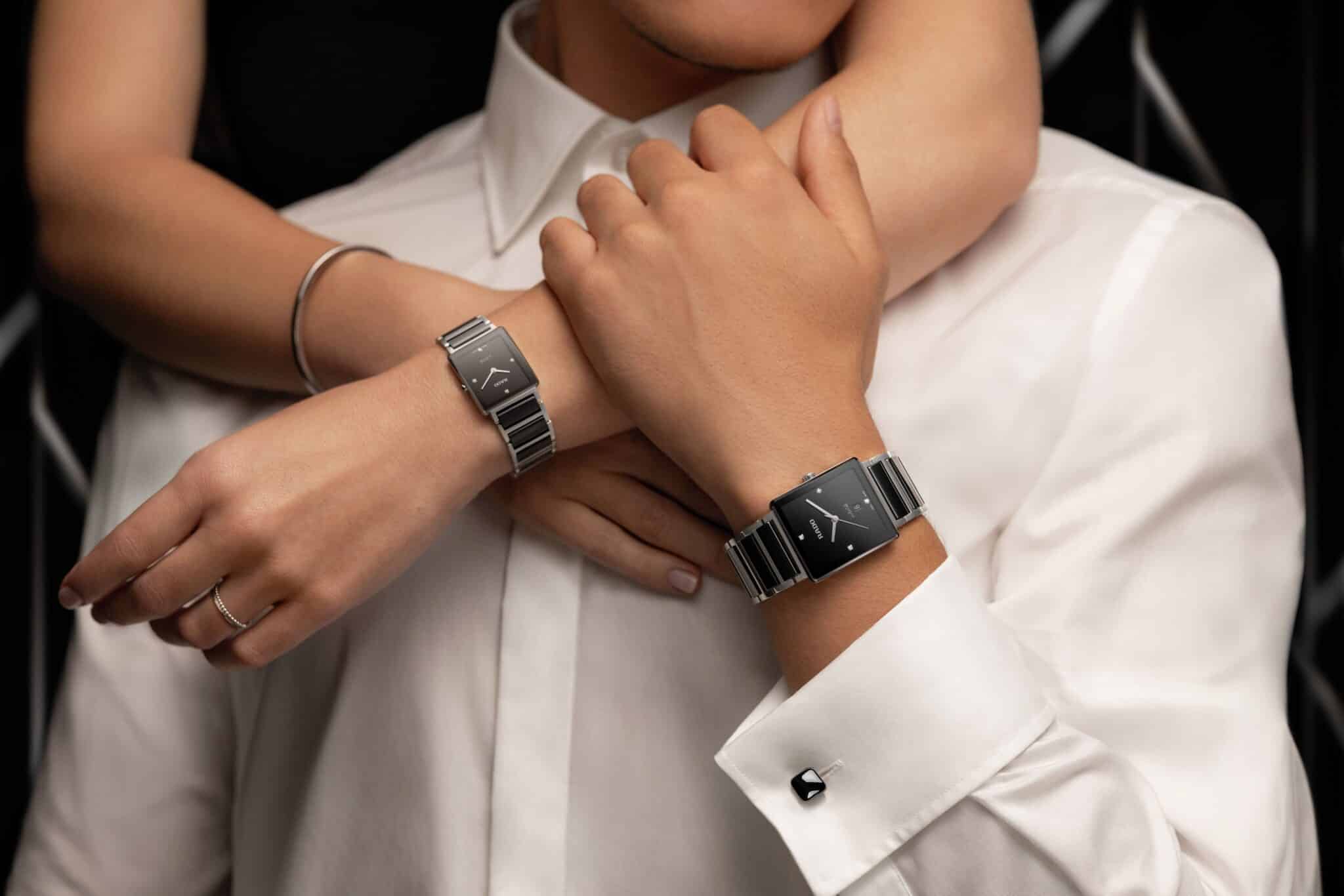
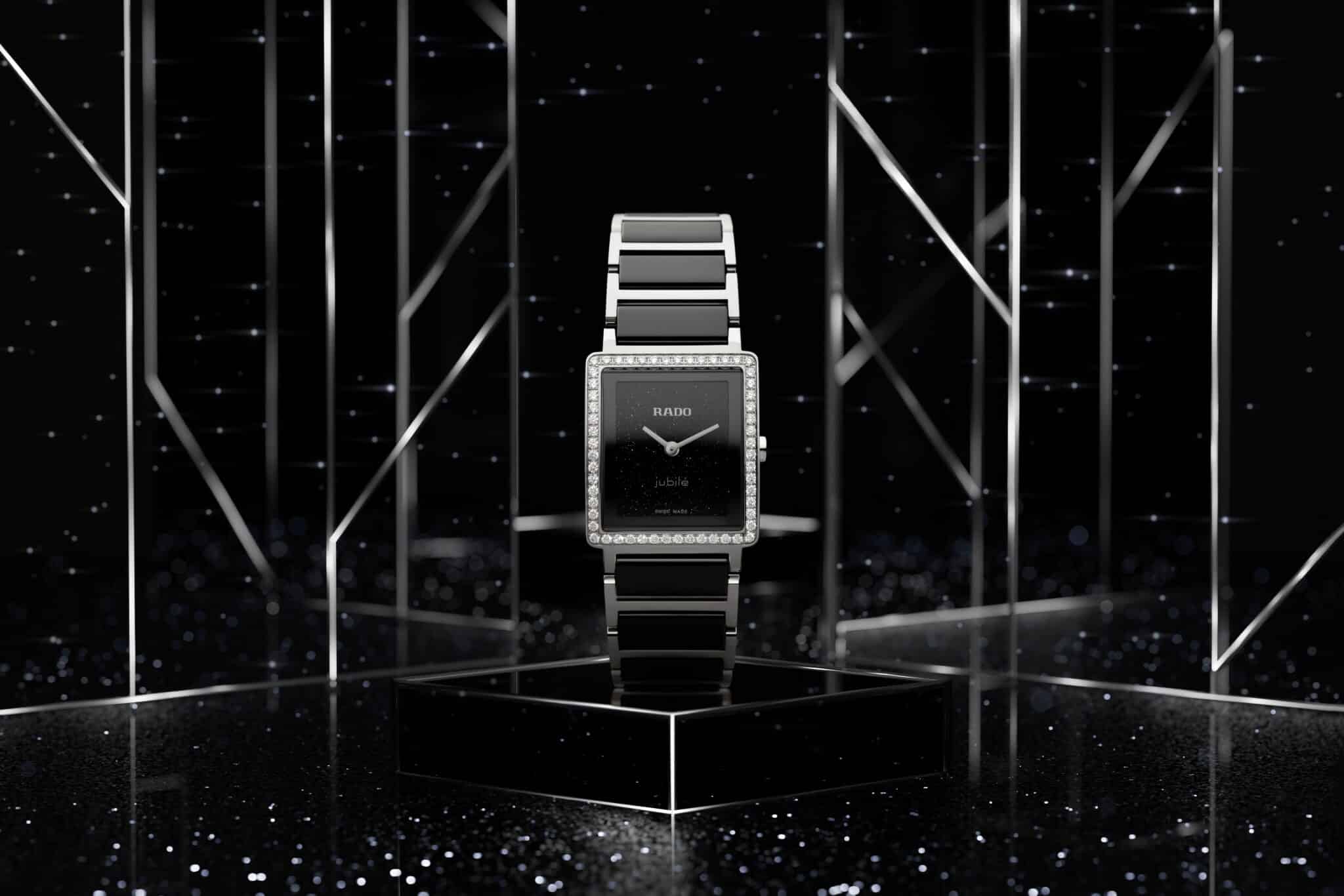
The broader Integral collection that accompanies the anniversary release is worth attention in its own right. The Jubilé versions take the same architectural silhouette and push it into jewellery territory. The most striking is the R20249152, where 56 Top Wesselton diamonds encircle the dial completely, set against a deep black ceramic bracelet and steel case. It is the kind of piece that works as well at a dinner as it does as a considered everyday watch. A more restrained version, the R20250712, uses four diamond indices on the dial instead, which feels quieter but no less intentional. The gold and black variant in the Jubilé line, the R20252702, brings the same four-diamond detail to the yellow gold PVD and black ceramic combination, and it is probably the most versatile of the three. All of them sit in the smaller 23 mm case, which wears with real elegance. None of them feel like decoration for its own sake. That is the thing about the Integral across the whole collection: even at its most dressed-up, it never loses the structural clarity that made it worth celebrating in the first place.

What the original 1986 campaign said was: “The future on your wrist. The wrist of the future.” It sounds like the kind of line that would age poorly. Somehow, it does not because the Integral itself does not age. The rectangular case, the curved profile, the bracelet that flows without interruption from lug to lug; these are not trends. They are decisions that were correct when they were made, and remain correct now.
Forty years of unchanged brilliance. The watch did not age. Neither did the idea behind it.
Rado Integral 40-Year Anniversary, Ref. R20258162.



