

There’s a version of a European summer that has nothing to do with the coast. No crowded promenades, no fighting for a sunbed, no traffic crawling toward the marina. Just a lake gone glassy in the afternoon heat, a village that hasn’t rushed anything in centuries, and mountains standing guard in the background like they’ve got nowhere else to be.
We went looking for the lakeside towns that do this best: the ones where the water is the whole point, the architecture has earned its patina honestly, and dinner is never more than a short walk from the shore. Eight places, four countries beyond the obvious ones, and not a single Riviera in sight.
The Best Lakeside Towns in Europe
Talloires, France
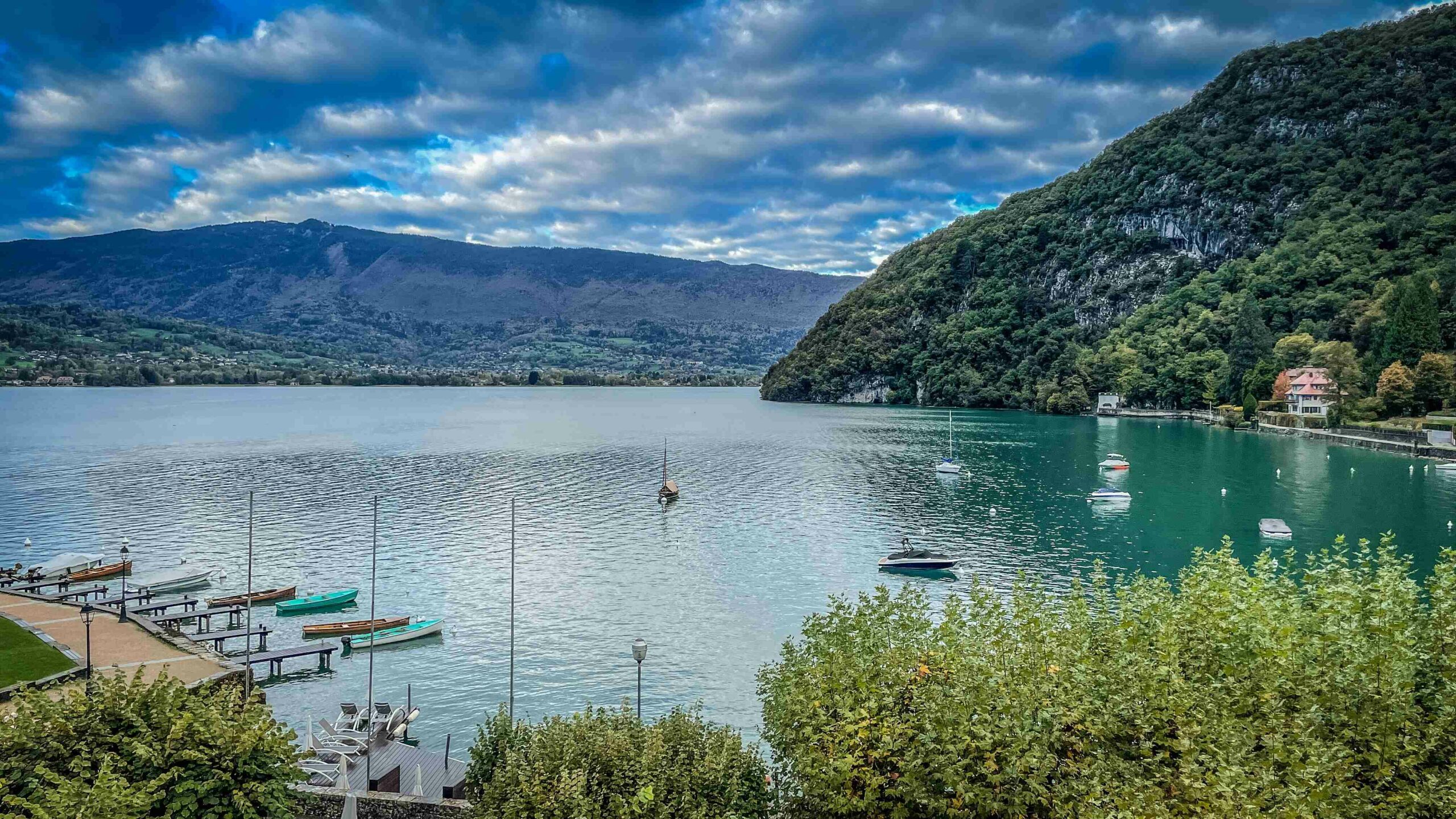
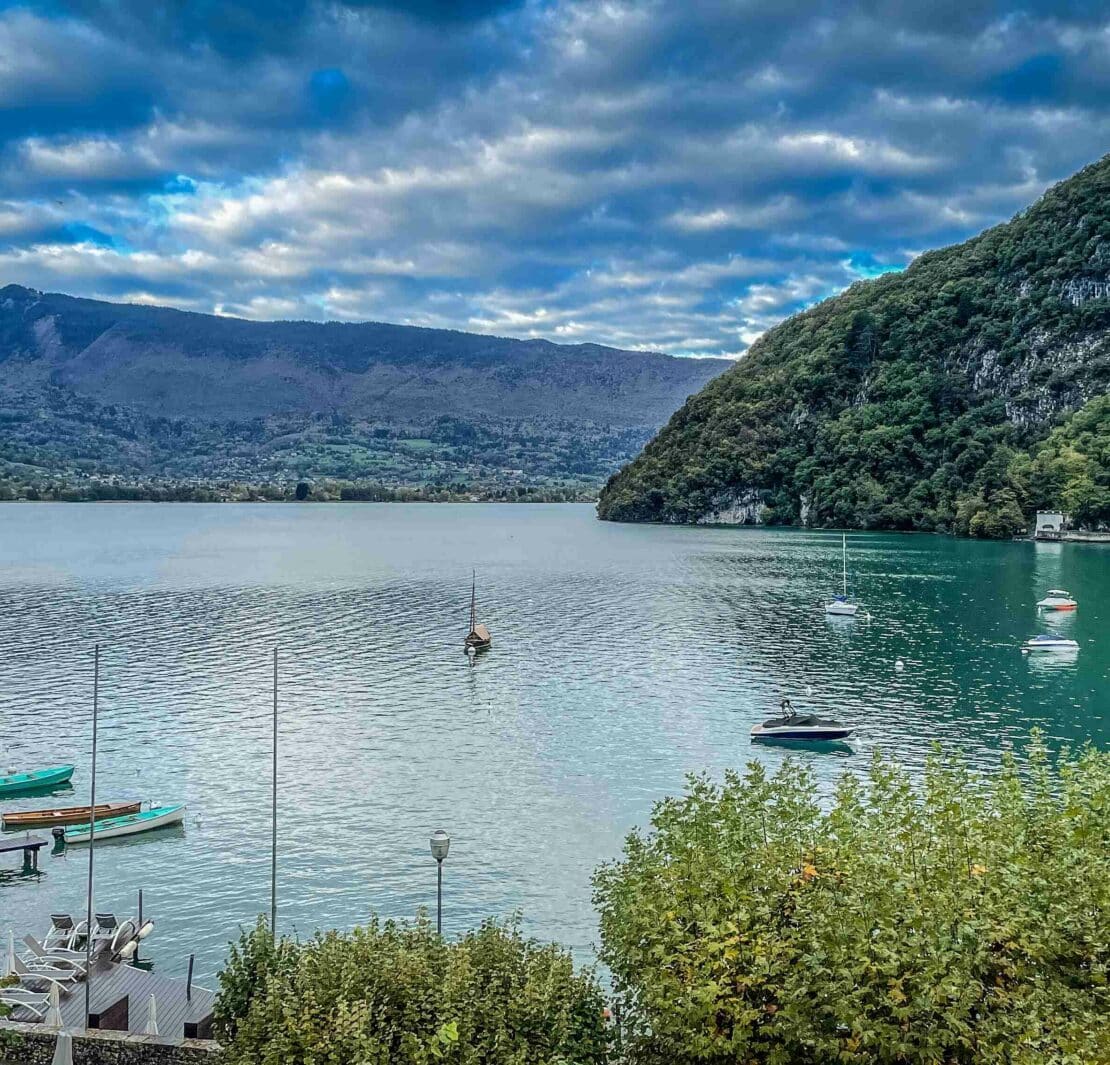
On the eastern shore of Lake Annecy, Talloires moves at the pace of a village that never got the memo about the 21st century, and clearly prefers it that way. Mornings are for the water: paddling out from a pebble beach into water so clear it borders on unnecessary. Afternoons drift toward the vineyards on the hillside above town. By evening, a handful of Michelin-starred addresses are quietly doing some of the most serious cooking in the French Alps.
Best for: travellers who want the Alps and the lake in the same afternoon, without the Chamonix crowds.
Bled, Slovenia
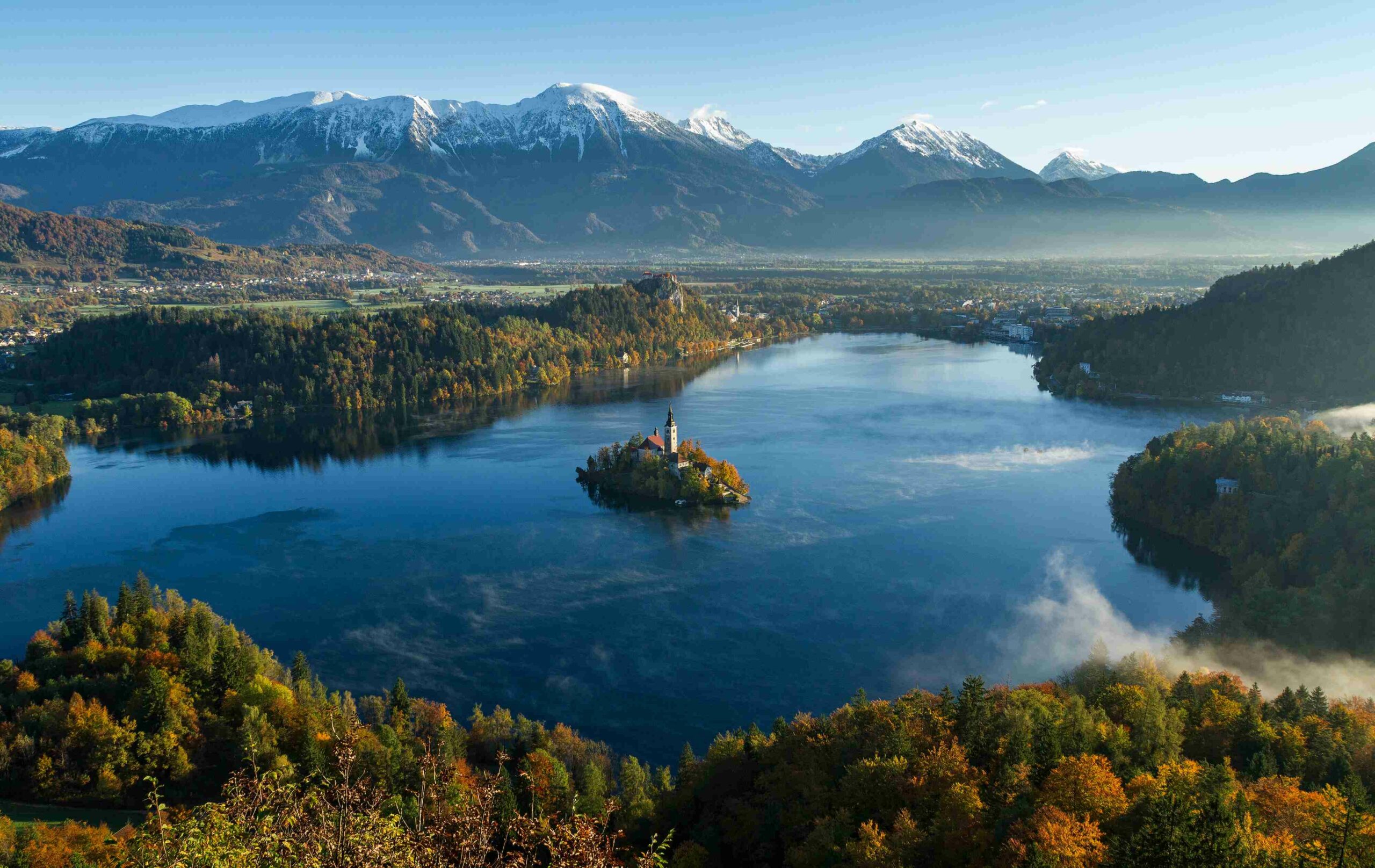
Lake Bled photographs like it was designed for the purpose, and somehow still outperforms every picture of it. A cobalt lake, a frescoed island church reachable only by a traditional pletna boat, and an 11th-century castle keeping watch from the cliffs above. Vintgar Gorge, home to the country’s tallest waterfall, is a short drive out; Ojstrica viewpoint, timed for sunrise or sunset, is the one worth setting an alarm for.
Best for: the single most photogenic lake in the Alps, minus the price tag of its Italian and Swiss rivals.
Cernobbio, Italy
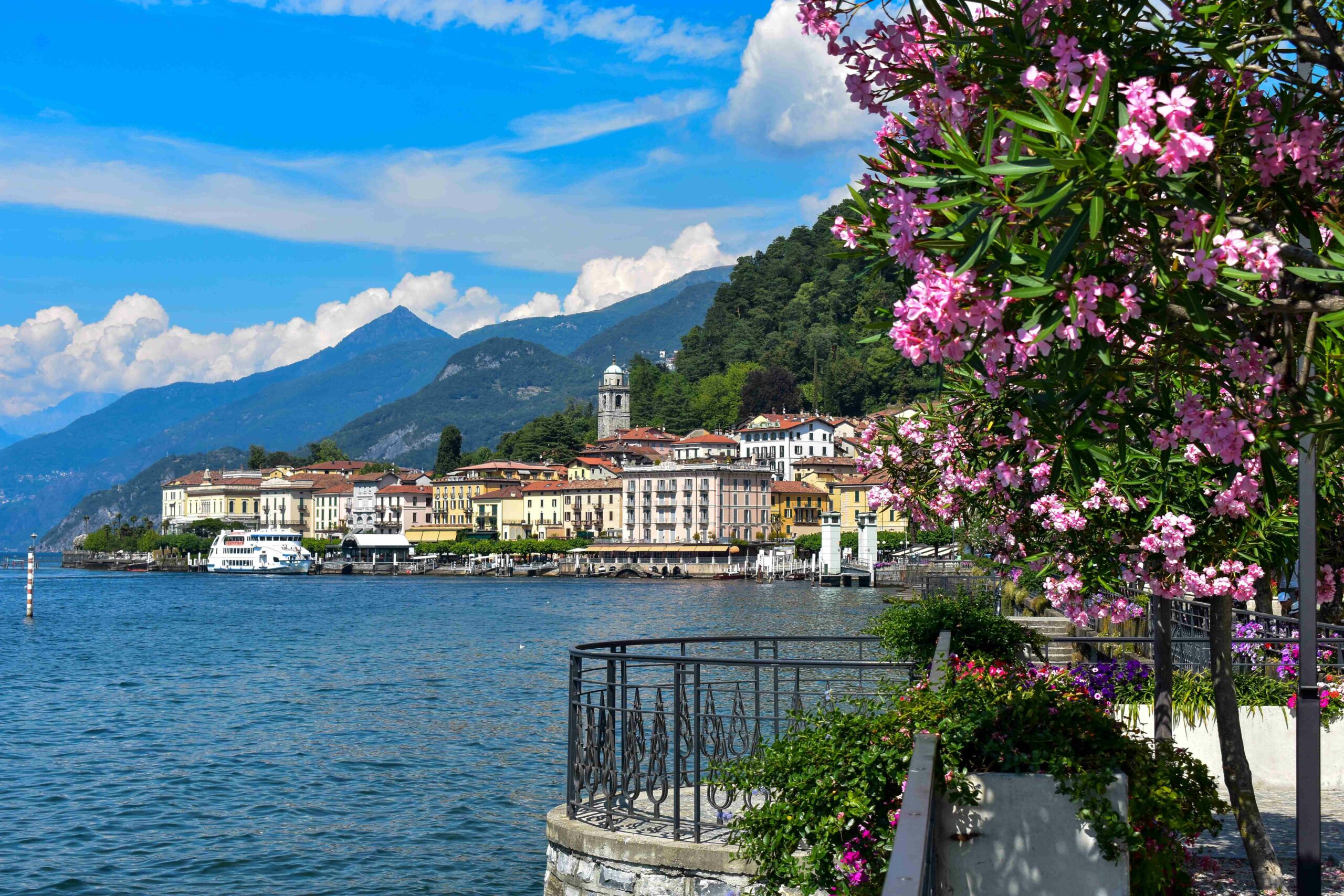
Lake Como has spent decades as the private playground of Hollywood and old European money, and Cernobbio is where it feels most livable. A quieter counterpoint to Como town, its lakeside promenade is lined with historic villas and a small, immaculately kept garden that does more with less space than most public parks manage with twice the acreage. This is Lake Como without having to perform for anyone.
Best for: the Lake Como fantasy, at a slightly more human scale.
Hallstatt, Austria
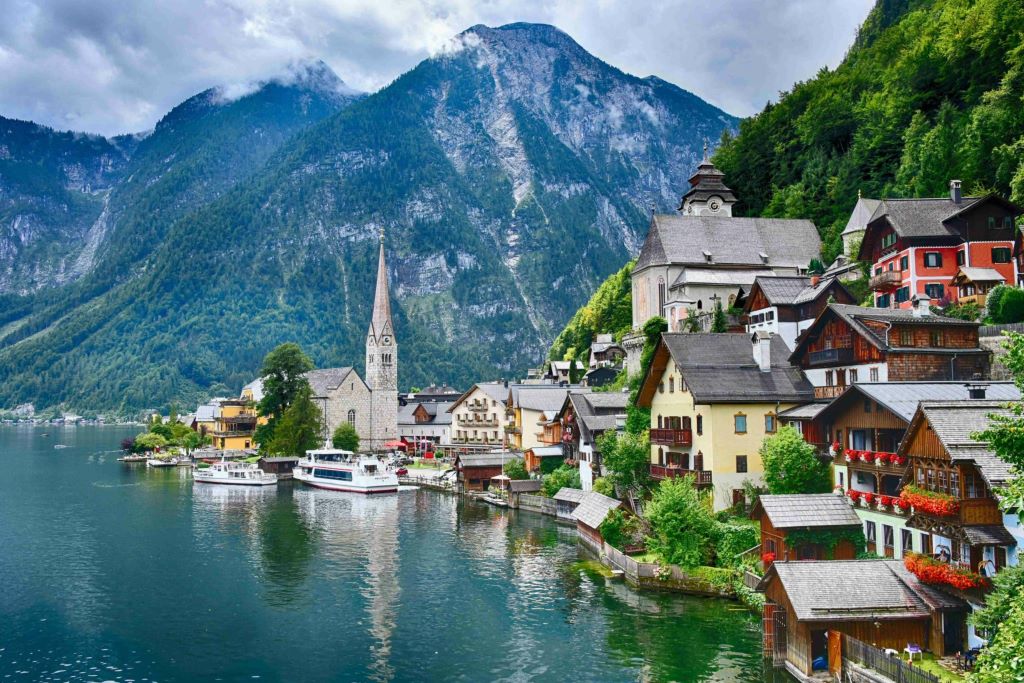
Hallstatt looks less like a real place and more like a fairytale illustration someone forgot to stop drawing. An Iron Age settlement spilling down forested hills to the water’s edge, its 16th-century alpine houses and Baroque churches have barely changed the composition in centuries. Autumn brings hiking trails through fading foliage and nearby glaciers; winter dusts the rooftops in snow and fills the main square with a Christmas market that earns every cliché written about it.
Best for: a genuine storybook setting, best visited outside peak summer to actually enjoy it.
Ascona, Switzerland
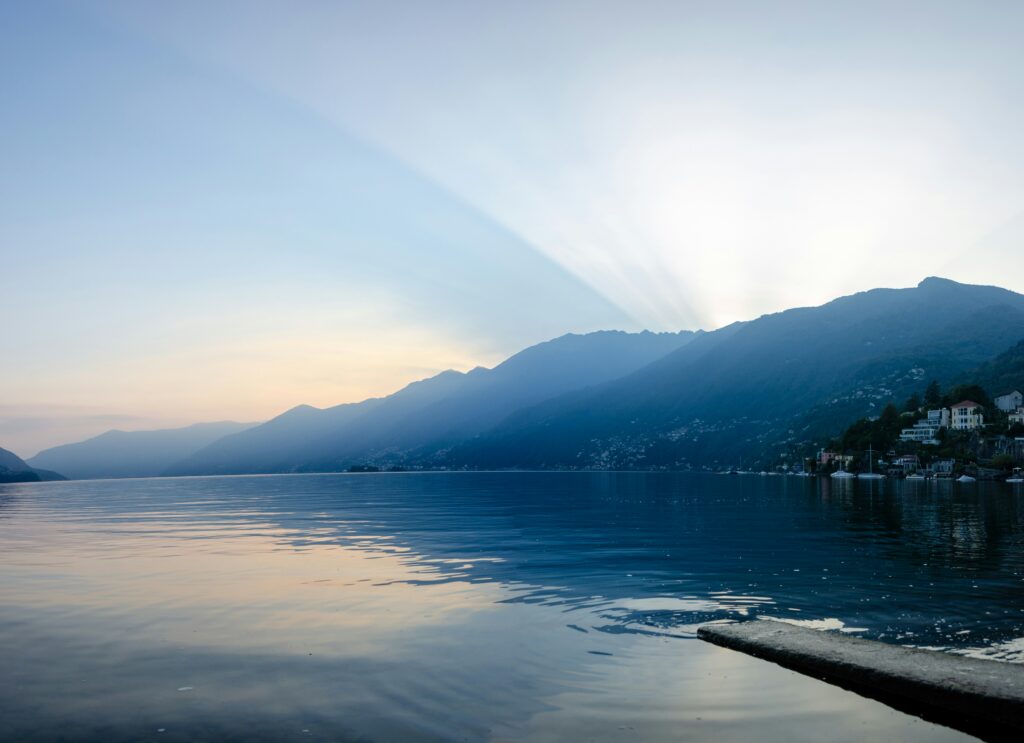
On the northern shore of Lake Maggiore, Ascona is Switzerland doing its best impression of the Mediterranean, and doing it convincingly. Five-star hotels, Riva boat tours, and an Aperol Spritz within arm’s reach at all times, thirty minutes from the Italian border. Borgo, the cobbled old town, unspools past the 16th-century Chiesa dei Santi Pietro e Paolo toward a waterfront piazza framed by snow-capped Alps in the distance. It’s the town Europeans slip away to when the actual Riviera gets too loud.
Best for: Mediterranean energy with Swiss reliability, and a genuine escape from the Riviera crowds.
Ohrid, North Macedonia
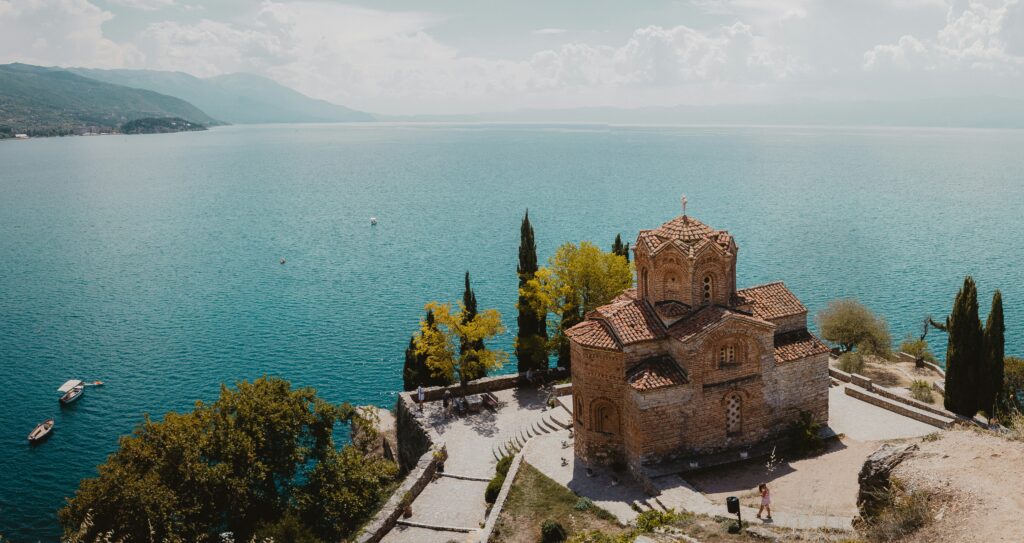
For travellers done paying Italian and French prices for an increasingly crowded view, Lake Ohrid is the answer nobody’s tired of yet. Straddling the border with Albania, it’s one of Europe’s oldest and deepest lakes, its Byzantine landmarks and Ottoman architecture earning the town UNESCO recognition back in 1979. The 10th-century old town rewards slow wandering through its bazaars, and the Museum on Water, built over an excavated prehistoric pile-dwelling settlement, is one of the more unexpected stops on any European lake itinerary.
Best for: serious history and a still-under-the-radar price point, before word gets out.
Mikołajki, Poland
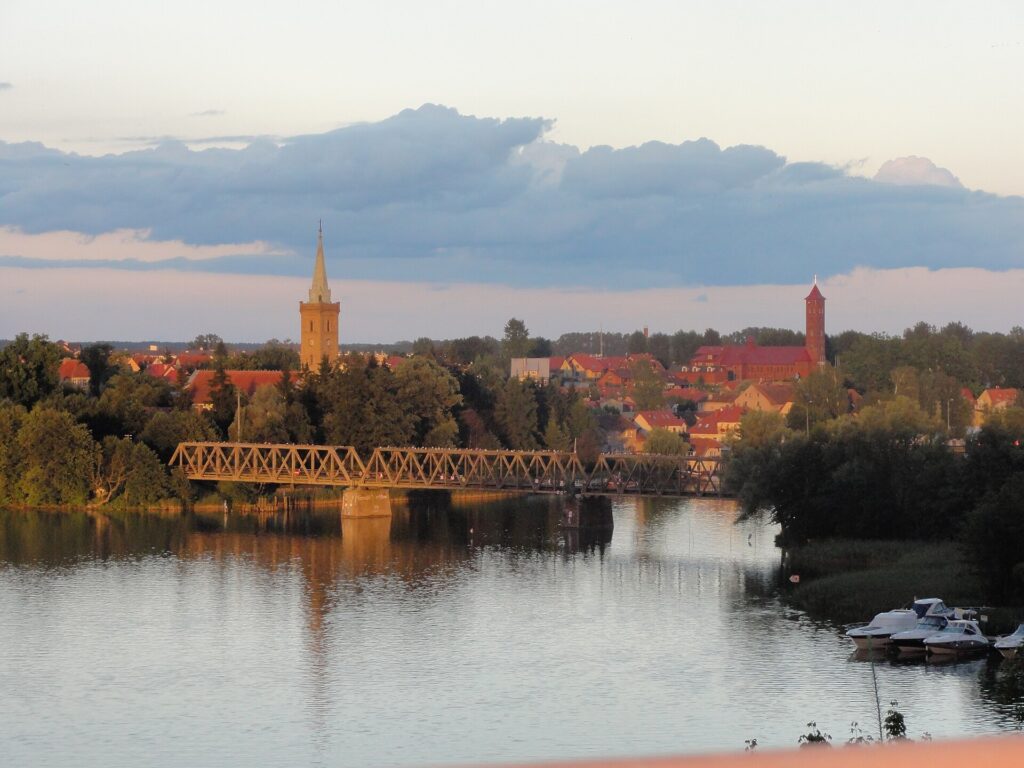
Poland’s Masurian Lake District comes alive every summer, and Mikołajki, on the southern edge of Lake Śniardwy, is its unofficial capital. Red-roofed buildings cluster around a marina and three bridges, and the whole town runs on sailing logistics: hire a boat here, cross the lake toward Giżycko, or point it further out to Orzysz. It’s a lower-key, lower-cost alternative to the well-worn Alpine circuit, and one most travellers outside Central Europe still haven’t clocked.
Best for: an easy, affordable sailing base that most of Europe hasn’t discovered yet.
Montreux, Switzerland
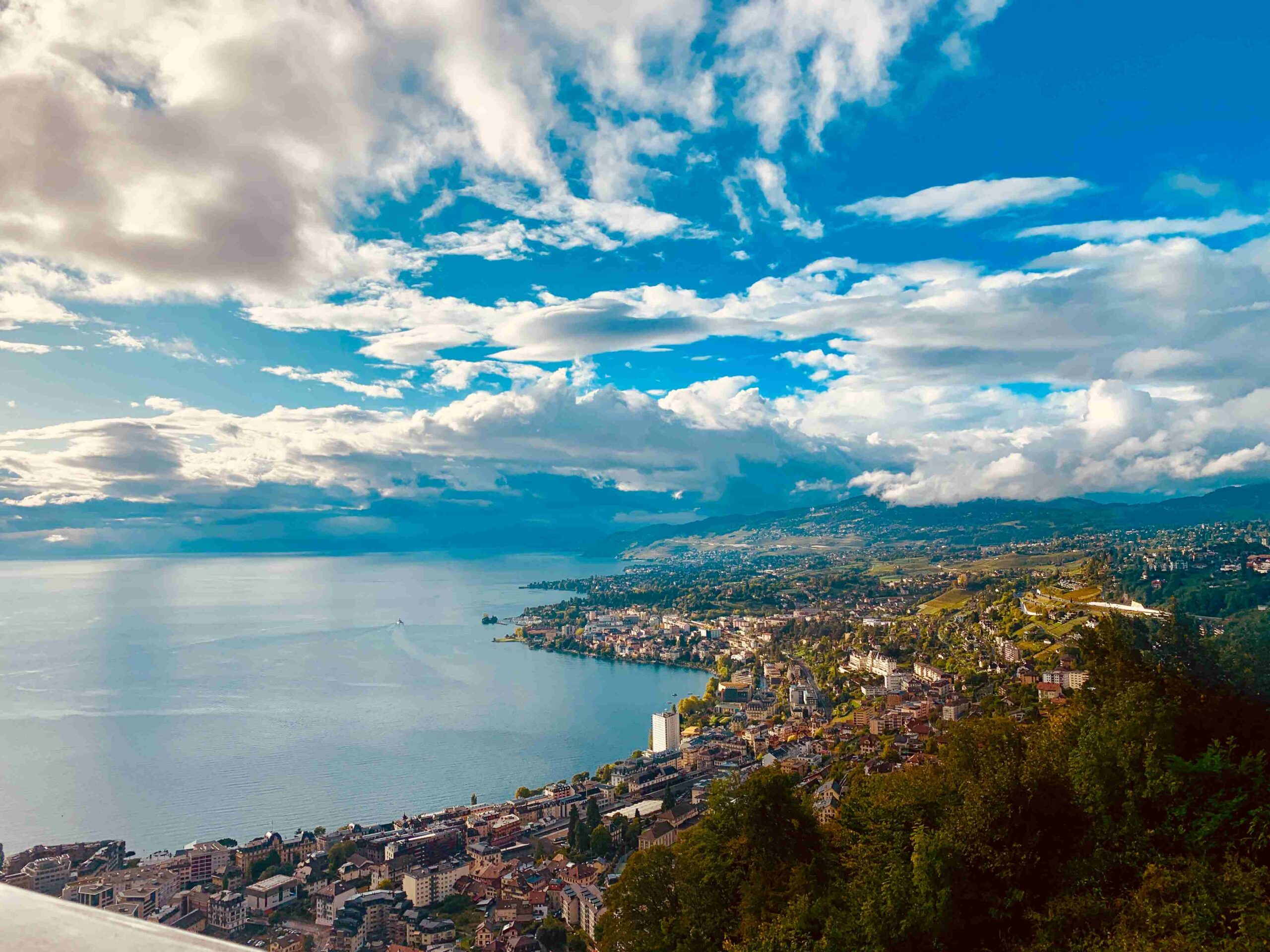
Montreux has been pulling in the famous and the fashionable for as long as its jazz festival has existed, and Lake Geneva’s shimmer does a lot of the persuading. Château de Chillon, a 13th-century fortress rising almost directly out of the water, remains the single sight worth building a day around. The lakeside promenade, backed by the Alps and lined with palms that shouldn’t work this far north but somehow do, is Montreux at its most self-assured.
Best for: old-world glamour with a soundtrack, best timed around the jazz festival if you can manage it.
Eight lakes, one instinct: slow down
None of these towns are in a hurry, and neither are you. Pick a beautiful European shoreline, book somewhere within walking distance of the water, and leave more time than feels reasonable for doing very little. The mountains aren’t going anywhere, and neither, it turns out, is the appeal of a lake that’s been doing this far longer than any coastline has.
Foto in header: Jametlene Reskp



