

There are few decisions more intimate than choosing a perfume. A handbag can be admired from across the room; a pair of shoes speaks for itself on the floor. But a fragrance is different. It arrives before you do, lingers after you leave, and settles, over time, into something that, if you are lucky, becomes inseparable from the idea of you. The right scent is not merely pleasant. It is biographical.
These five women’s perfumes represent five different kinds of woman, five different kinds of mood, and five genuinely compelling answers to the question of how a modern woman should smell.
Our Favourite Women’s Perfumes
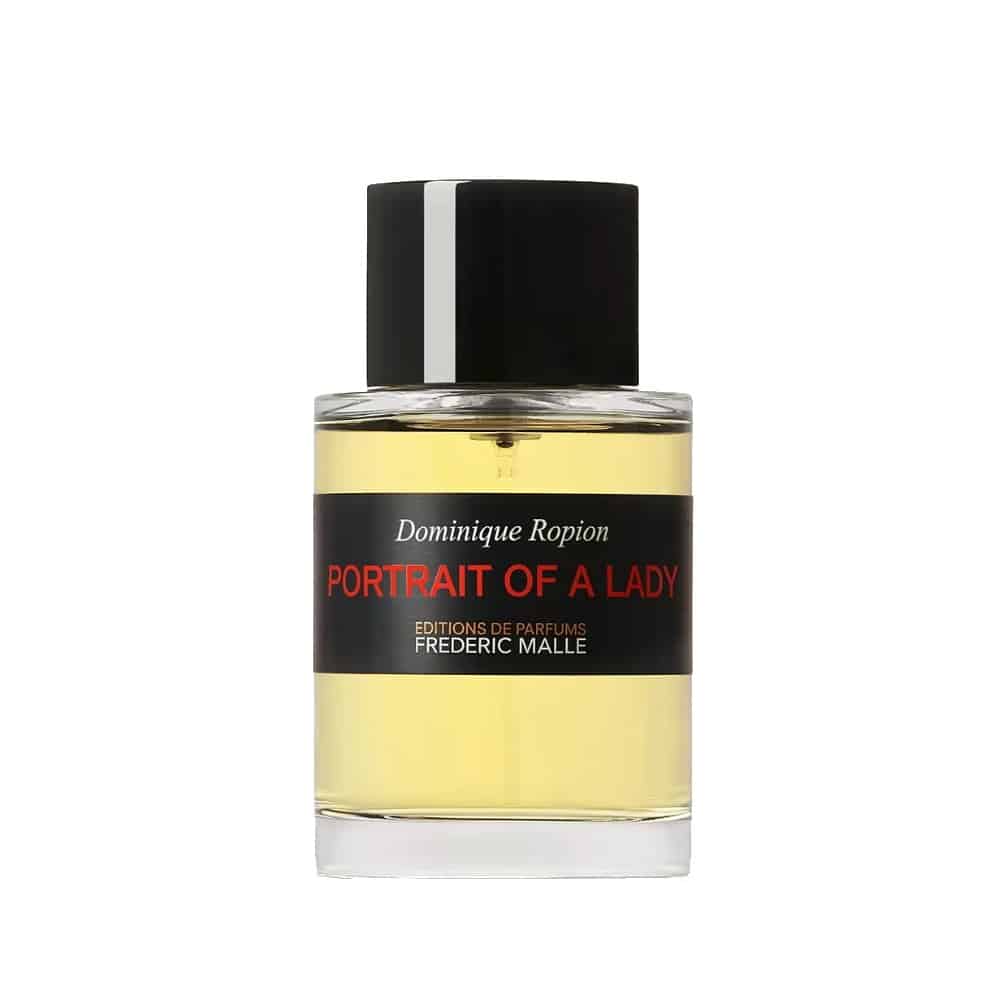
Frédéric Malle — Portrait of a Lady Eau de Parfum
When Frédéric Malle founded his Editions de Parfums in 2000, he did something that the fragrance industry had almost entirely forgotten to do: he put the perfumer’s name on the bottle. Portrait of a Lady, created by master perfumer Dominique Ropion, is the most celebrated expression of that philosophy, and one of the most opulent fragrances of the 21st century. It takes Turkish rose and doses it with an abandon that the industry rarely dares.
The notes: Turkish rose, blackcurrant, raspberry, patchouli, sandalwood, incense, amber, musk. For the woman who enters a room and owns it immediately.
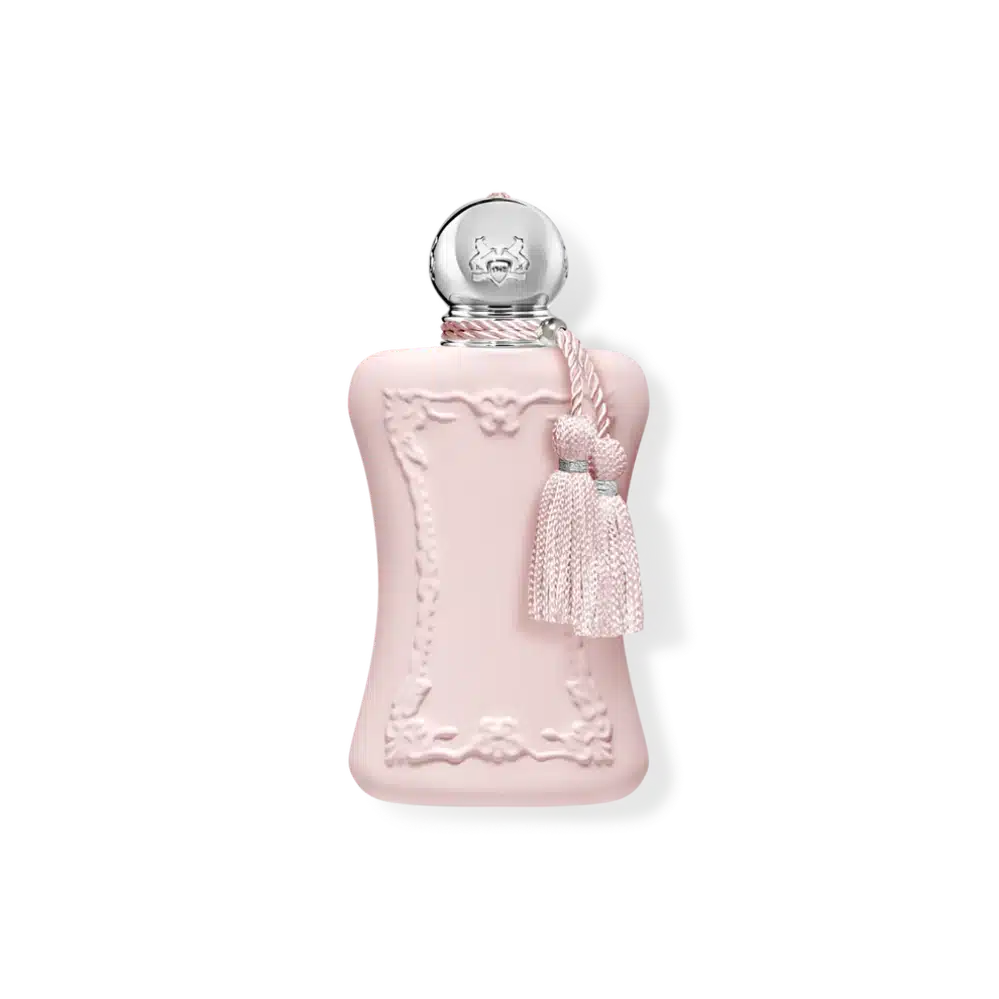
Parfums de Marly — Delina Eau de Parfum
Parfums de Marly takes its inspiration from the opulence of the French court of Louis XV, an era of extraordinary elegance, of women who understood that beauty was both armour and art. Delina, the house’s most iconic creation, is a tribute to exactly that legacy. It opens with a vibrant, slightly mischievous burst of lychee and rhubarb before settling into its magnificent heart: a Damascena rose sourced from the Isparta region of Turkey, hand-picked and steam-distilled, with one million flowers required to produce just a single kilo of essence.
The notes: Bergamot, lychee, rhubarb, Damascena rose, nutmeg, cashmeran, musks, vetiver. For the woman who believes in the art of the grand entrance.
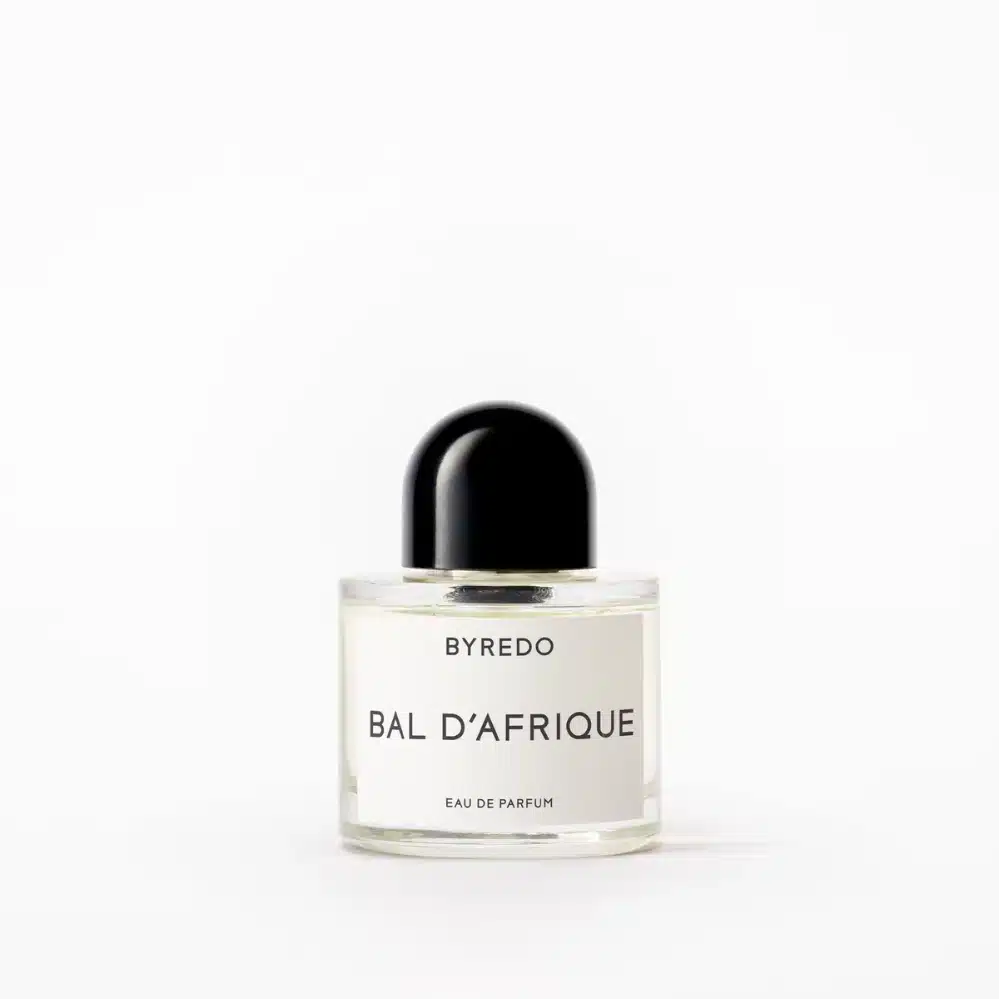
Byredo — Bal d’Afrique Eau de Parfum
Ben Gorham founded Byredo in Stockholm in 2006 with the conviction that fragrance could carry an idea as powerfully as any artwork. Bal d’Afrique is the house’s most beloved creation for good reason. It opens with a luminous citrus of bergamot and African marigold, a note so particular and so instantly recognisable that it feels like meeting someone new for the first time and knowing immediately that you will be friends.
The notes: Bergamot, African marigold, buchu, violet, cyclamen, vetiver, cedar. For the free spirit who travels light but leaves a deep impression.
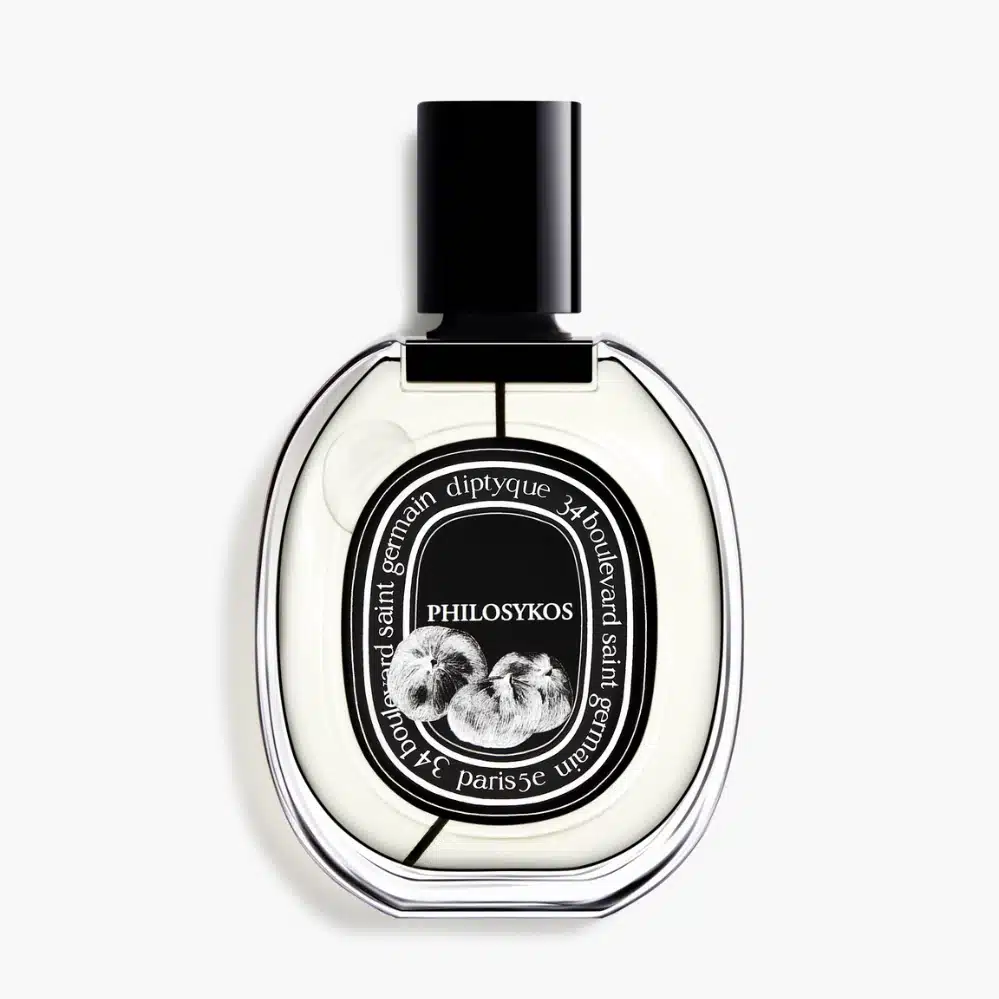
Diptyque — Philosykos Eau de Parfum
Diptyque’s Philosykos is, in the most precise sense of the word, a classic. Born in 1996 and created by the brilliant perfumer Olivia Giacobetti, it was one of the first fragrances to take a single ingredient, the fig tree, and render it in its entirety: not just the fruit, but the leaf, the bark, the sap, the shade beneath the branches on a hot afternoon. The result is a scent that smells, with almost uncanny accuracy, of standing beneath a Mediterranean fig tree in August.
The notes: Fig leaf, fig, green notes, coconut, fig tree, woody notes, cedar. For the woman who prefers an afternoon in the shade to a night at the party.
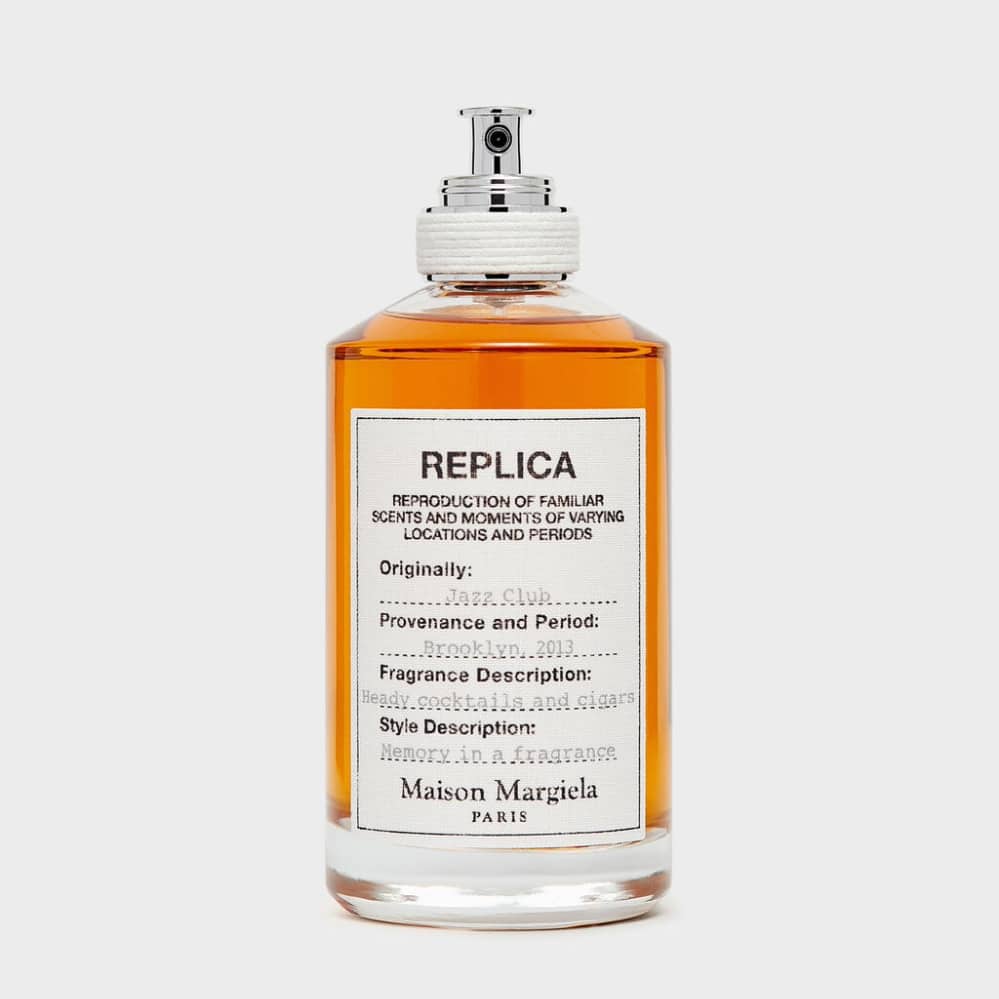
Maison Margiela Replica — Jazz Club Eau de Toilette
The Replica collection from Maison Margiela is built around a deceptively simple idea: that the most powerful fragrances are those that carry memory within them. Jazz Club does not smell like a perfume in the traditional sense. Pink pepper and lemon sharpen the opening; rum absolute and clary sage deepen the heart; tobacco leaf, vanilla bean, and styrax resin bring everything to a close that is warm, smoky, and entirely unforgettable.
The notes: Pink pepper, lemon, neroli, rum absolute, clary sage, Java vetiver, styrax resin, tobacco leaf, vanilla bean. For the woman who has never cared much for rules, and is right not to.
The Art of Finding Your Scent
What unites these five fragrances is a commitment to quality of composition over commercial formula. None of them smell like anything else. None of them are trying to be universally loved. Each one makes a statement, quietly or otherwise, about the kind of woman wearing it. That, ultimately, is what separates a truly great perfume from a merely pleasant one: not the price, not the bottle, not the house behind it, but the fact that it says something about you that you could not say better yourself.
The best way to find your next fragrance is, as always, to test it on skin. Let it live through the top notes, the heart, and the dry-down. Give it an hour. Give it a day. Then decide whether it is the kind of thing you want to become part of your story.
Photo in header: Pavlo Talpa



