


There are brands that tell a good story, and then there are brands whose story you can actually feel, in the weight of a sleeve, in the warmth of a collar, in the almost implausible softness of something that began its life grazing at 4,000 metres above sea level in the Peruvian Andes. PAKA Apparel is the latter.
Kris Cody and the Story of PAKA Apparel

Founded by Kris Cody after a backpacking trip through South America in 2015, the brand has its roots in a moment that most of us would have photographed and forgotten. Instead, Cody stayed. He learned from Gregoria, a Peruvian artisan who taught him the ancient Inca practice of weaving clothing from alpaca fibre, a tradition that pre-dates the Spanish conquest and has quietly outlasted virtually everything the modern fashion industry has produced in the decades since. He worked with the Mamani family of weavers to handcraft the brand’s first hoodie, launched a Kickstarter, and built a brand that now counts a certified B Corp status and a flagship store on Cusco’s Plaza de Armas among its achievements.
It is, by any measure, a remarkable story. But what makes PAKA genuinely compelling is not the origin myth; it is the conviction with which every subsequent decision has been made.
Alpaca Wool: The Fibre That Started It All

Alpaca is not a new discovery. The Andean civilisations understood its value long before fast fashion invented the concept of a seasonal hero piece. It is naturally hypoallergenic, softer than merino wool, significantly warmer than cashmere at equivalent weights, and unlike synthetic alternatives, it breathes. It also requires no chemical treatment and leaves behind none of the microplastic pollution that has made so much of the performance wear industry’s environmental record quietly catastrophic.
PAKA calls alpaca the world’s smartest fibre. They have a point. The more interesting question is why it took so long for the broader market to agree.
The Transparency
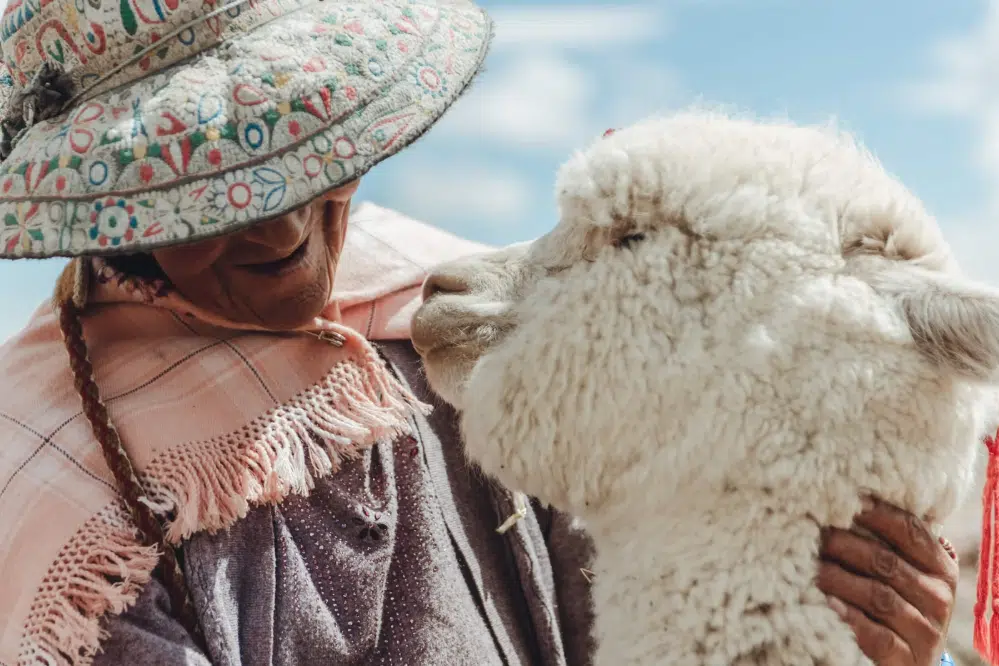
What separates PAKA Apparel from the wider field of brands that have recently discovered the commercial appeal of the word sustainable is something they call Traceable Alpaca. Every product in the current range can be traced directly to its source: the herd, the region, the hands that worked it. This is not a marketing claim. The brand launched Traceable Alpaca 2.0 in 2024, a system that brings full supply chain visibility to every item they sell, and it is backed by the kind of third-party accountability that B Corp certification requires. Greenwashing this is not.
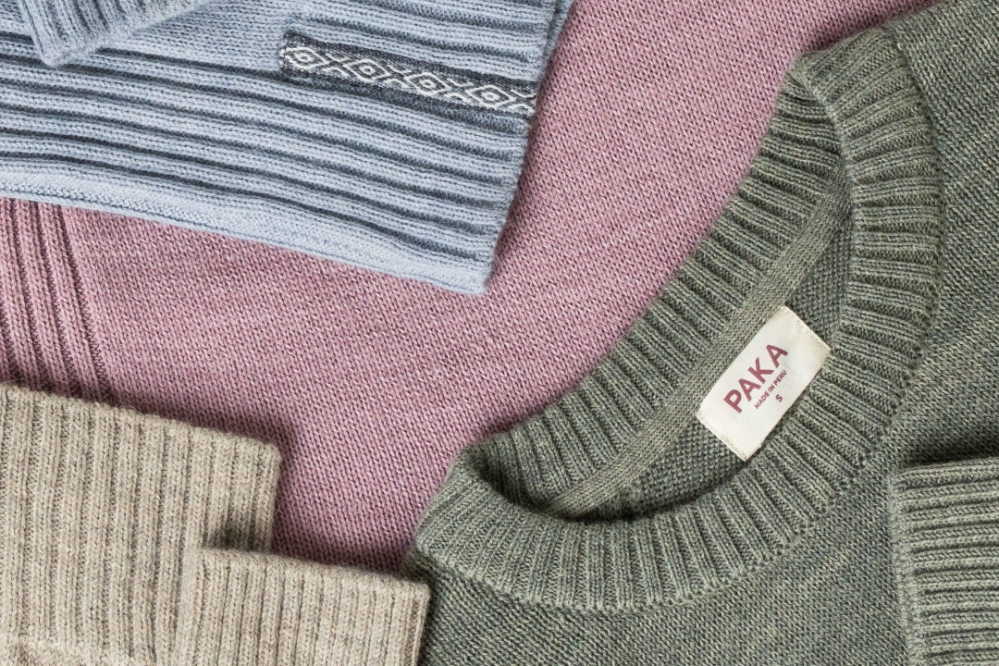
The fibre itself is sheared once a year, hand-sorted by quality and colour, then cleaned without chemical treatment before being spun and woven by the artisan teams in the Cusco region. Much of the finishing work is still done by hand. The result is a process that moves slowly by design: small batches, controlled quality, no factory floor running overnight shifts to hit a trend cycle.
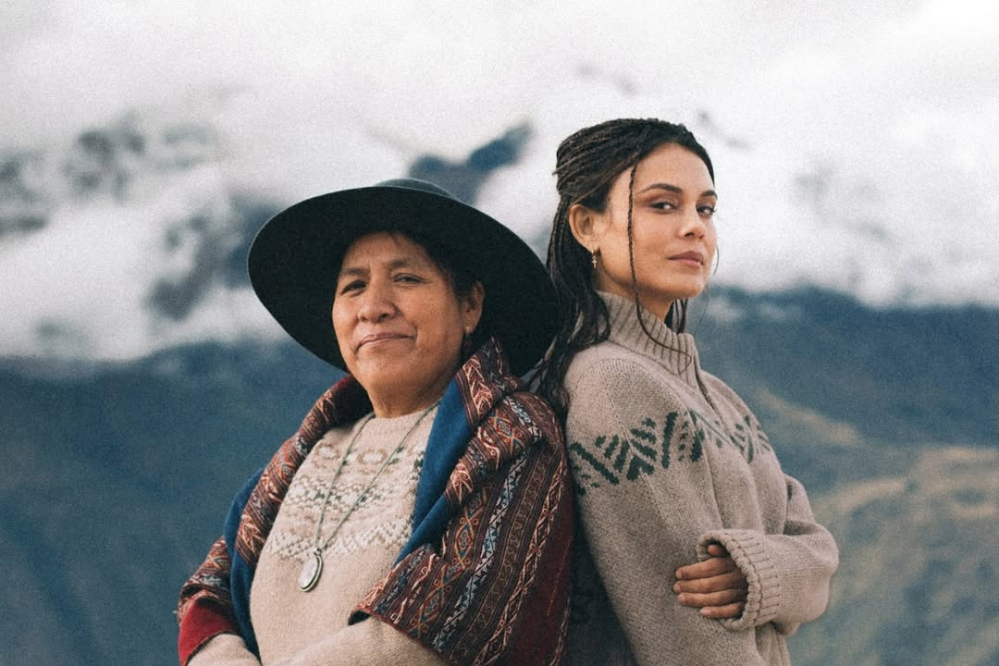
Legendary Quechua weaver Nilda Callañaupa, a figure of genuine significance in the preservation of Andean textile traditions, oversees teams of women artisans whose skills are, in the ordinary course of things, under considerable threat from industrialised production. PAKA has made their preservation not a side project, but a key part of the business.
The Product

The Hoodie (and it is called simply that) has become something of a cult object among people who spend serious time outdoors. It is the kind of piece that rewards considered acquisition: made from traceable alpaca, available in a thoughtful palette that runs from eucalyptus and andean moss through to cacao and charcoal, and built to accompany you rather than wear out alongside you. The Original Crew and the Essentials collection follow the same quiet logic: natural fibres, considered construction, colours that suggest the landscapes they came from.
The Ethos
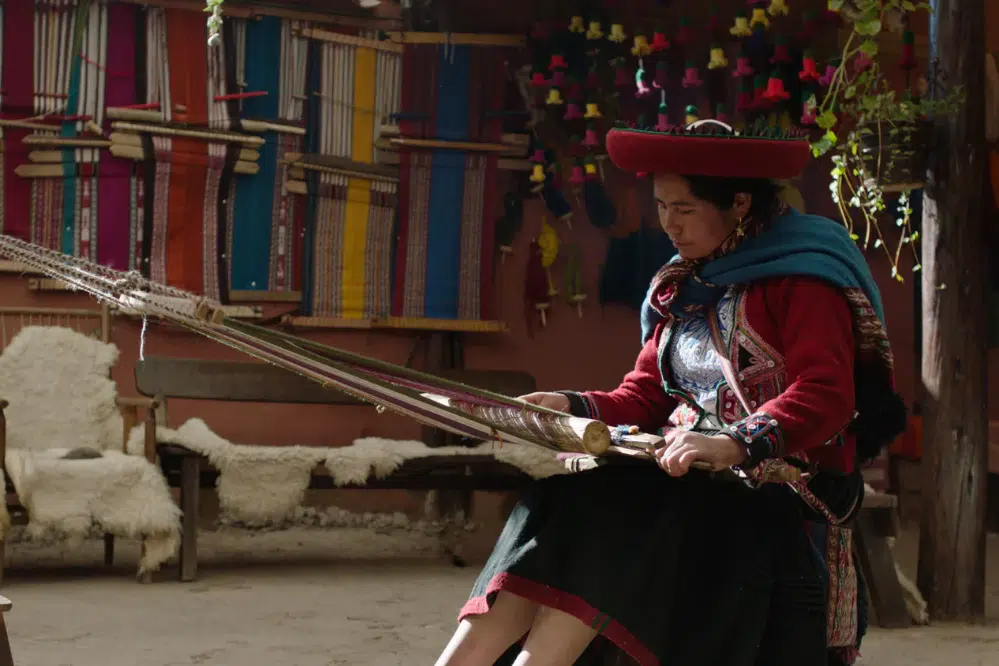
Through its PAKA Scholars programme, the brand funds full university scholarships for young Peruvian women from the communities that make its clothing possible. It is the kind of initiative that, in a lesser brand, would appear on a landing page and then quietly disappear. Here, it feels like a natural extension of the same logic that runs through everything else: that the people, animals, and environments at the beginning of the supply chain deserve the same attention as the customer at the end of it. That, ultimately, is the PAKA proposition. Not just fashion, exactly. Something older than fashion, and considerably more durable.
PAKA Apparel is based in the United States and ships internationally. The full range is available at pakaapparel.com. For those passing through Peru, the flagship store sits on Cusco’s Plaza de Armas, which, given where everything starts, feels exactly right.
Foto in header: PAKA Apparel



